
Maintenance
Spring Dead Spot is a fungal pathogen that appears just as the name would suggest. If you’ve noticed spots in your lawn that look like bleached patches, it could be Spring Dead Spot. Keep in mind that the spots are just the symptom and you need to treat the problem first.
The spots range from 1cm to 1m in diameter and are a result of the lawn disease attacking the roots. The roots then rot, becoming brown or even black. Spring Dead Spot is typically a spring problem, but it can occur in autumn or winter. It loves the cooler temperatures and extra moisture.
Luckily for most lawn owners, Spring Dead Spot is quite picky. It almost exclusively affects Couch varieties of grass. Sometimes, it will settle for Zoysia but rarely Buffalo or Kikuyu lawns. The problem for Couch varieties is that they’re cared for so intensively. They’re mowed low and frequently. Being such manicured lawns, they provide the ideal conditions for this disease.
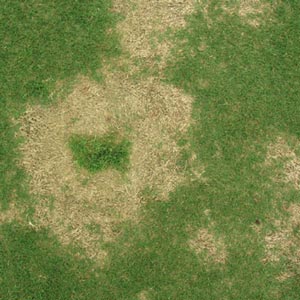
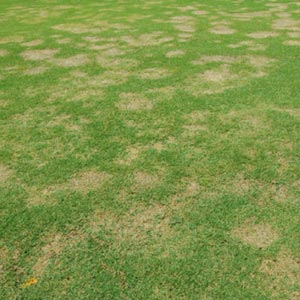
You can also consider fungicides. A broad-spectrum fungicide can help you to prevent Spring Dead Spot but if your lawn is already affected, the fungicide will only treat the symptoms.
Check if your lawn needs aerating every year to avoid poor drainage and reduce the risk of Spring Dead Spot and other diseases. With some TLC and time, your lawn will be able to recover and be back to normal.
Recommended for you...

High-Wear Turf Sydney: Best Grass for Kids, Dogs & Heavy Foot Traffic
Learn which turf varieties handle heavy foot traffic, pets, and play. A practical guide to choosing long-lasting grass in Sydney conditions.
Stampede Hybrid Turf: Everything You Need to Know Before It Hits the Market (2026 Guide)
Discover Stampede hybrid turf, the new Buffalo variety launching in 2026. Learn its benefits, performance, and what to expect from this next-generation lawn.
How to Prepare Your Lawn for Winter Shade
Struggling with shade in winter? Discover practical lawn care tips to protect your turf, improve growth, and prevent thinning in low sunlight.
