
The History of Turf in Australia
Did You know?
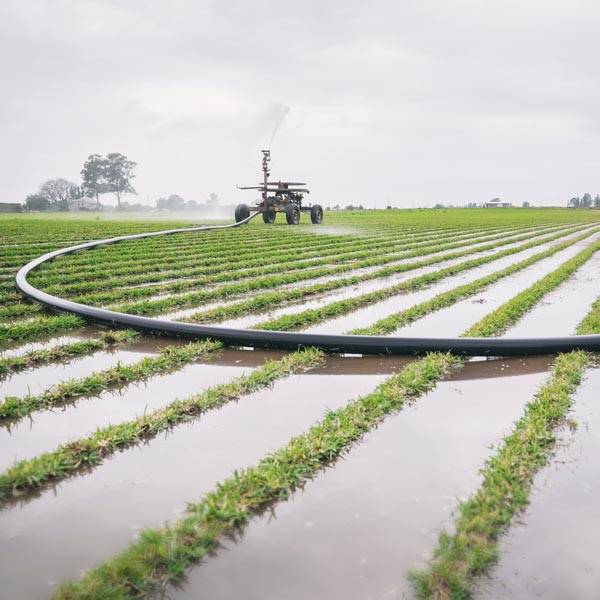
Using these methods, the ‘instant lawn’ became possible. The principles haven’t changed since then but over the last 80 years, the technology certainly has. New turf cutters were developed in the 60s and again in the 80s. Sod planters came into practice in the 90s. As well as new equipment, best practices have been established to ensure you get a healthy lawn. Continually developing, the turf industry has worked on providing Australians with beautiful lawns for decades.
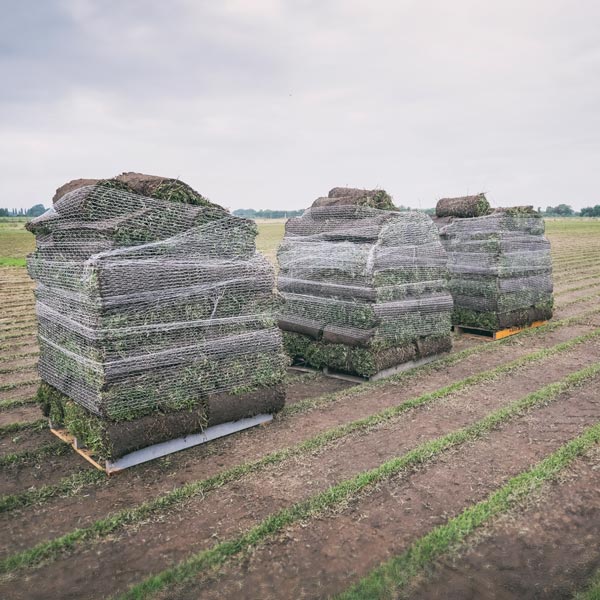
But it hasn’t been without challenges. The industry has faced drought, environmental concerns, water shortages, urban growth and the public perception that turf uses an excessive amount of water and fertiliser. Despite these challenges, among others, we continue to develop and work towards a greener Australia.
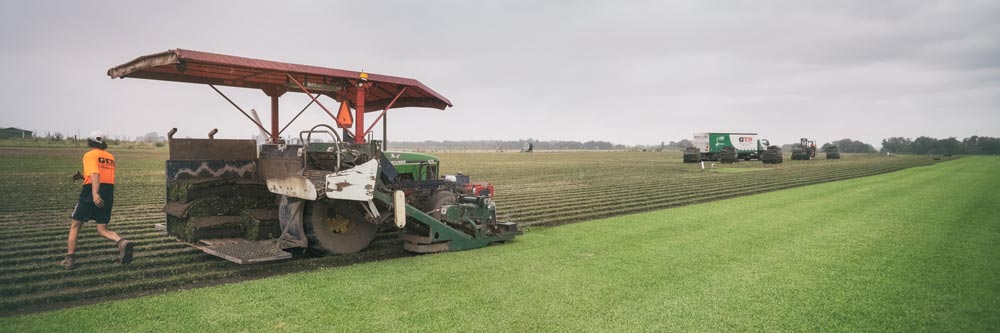
Recommended for you...

High-Wear Turf Sydney: Best Grass for Kids, Dogs & Heavy Foot Traffic
Learn which turf varieties handle heavy foot traffic, pets, and play. A practical guide to choosing long-lasting grass in Sydney conditions.
Stampede Hybrid Turf: Everything You Need to Know Before It Hits the Market (2026 Guide)
Discover Stampede hybrid turf, the new Buffalo variety launching in 2026. Learn its benefits, performance, and what to expect from this next-generation lawn.

How to Prepare Your Lawn for Winter Shade
Struggling with shade in winter? Discover practical lawn care tips to protect your turf, improve growth, and prevent thinning in low sunlight.
