
Avoiding A Scalped Lawn
21
FEBRUARY, 2018
Lawn Care
Maintenance
Maintenance
A scalped lawn is at risk of drying out, developing severe damage or dying. Lawns become scalped when too much grass leaf is removed in one mow. This occurs when you’ve either mown too low altogether or, if you have an uneven lawn and the raised sections are cut too close to the ground.
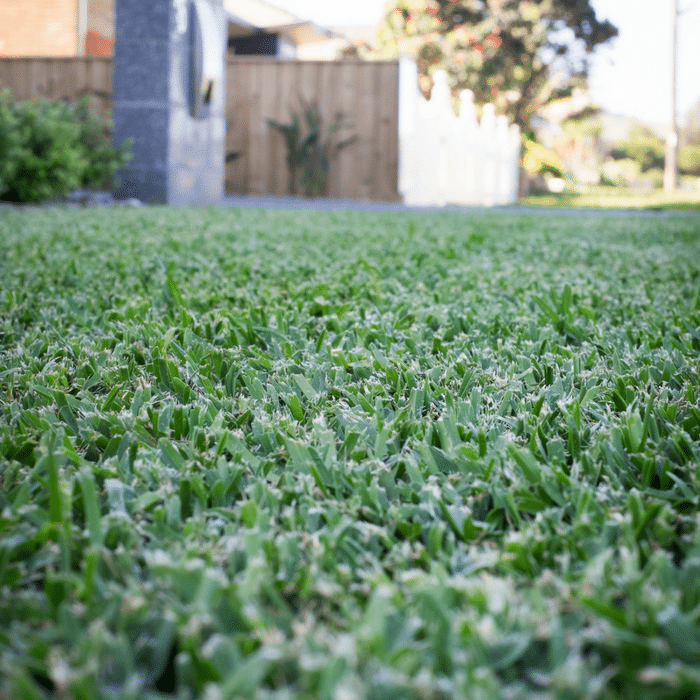
Having an uneven lawn is usually only a problem for newly established grass. And even then, it typically settles down and spreads itself out.
However, if it doesn’t fix itself and remains uneven, it’d be a good idea to consider topdressing it.
By setting your mowing height too low and removing too much leaf at once, you can leave the thatch layer exposed. The thatch layer will dry out and brown, not only looking bad but leaving the crowns of the grass exposed. If the crowns become damaged, that area of grass will die off.
But, simply raising your mowing height after scalping your lawn won’t fix the problem. As the grass grows, the thatch level and crowns grow higher too. Eventually, the thatch will catch up to the mowing height and you risk scalping your lawn again.
If this is the case, you’ll need to dethatch before re-adjusting your mowing height and frequency.
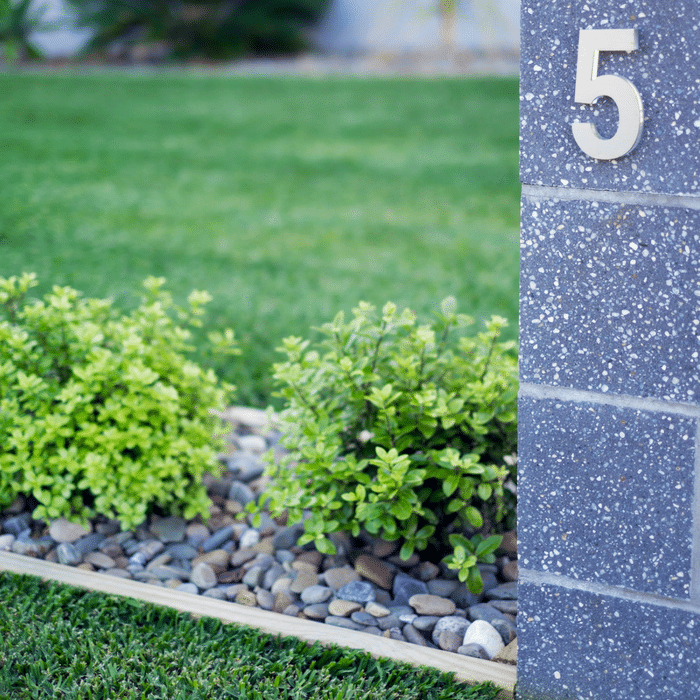
The correct mowing height and frequency will depend on your grass variety and the time of year. Working out what is best for your lawn will keep it healthy and happy.
Recommended for you...

High-Wear Turf Sydney: Best Grass for Kids, Dogs & Heavy Foot Traffic
Learn which turf varieties handle heavy foot traffic, pets, and play. A practical guide to choosing long-lasting grass in Sydney conditions.
Stampede Hybrid Turf: Everything You Need to Know Before It Hits the Market (2026 Guide)
Discover Stampede hybrid turf, the new Buffalo variety launching in 2026. Learn its benefits, performance, and what to expect from this next-generation lawn.
How to Prepare Your Lawn for Winter Shade
Struggling with shade in winter? Discover practical lawn care tips to protect your turf, improve growth, and prevent thinning in low sunlight.
