
Getting the Right Lawn pH Levels
27
JULY, 2018
DIY
Lawn Care
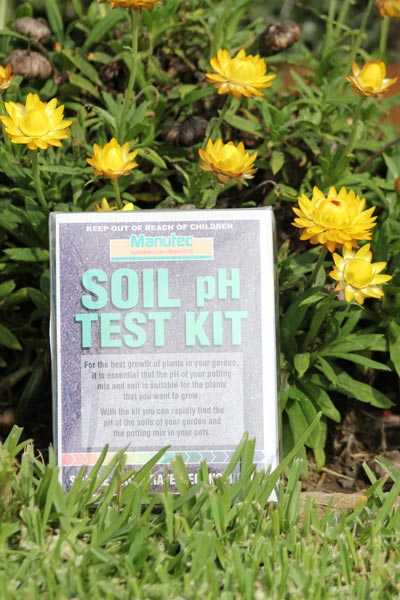
If your lawn isn’t thriving like it usually does and it isn’t responding to fertiliser, it’s time to do a pH test. If the pH levels aren’t right, your lawn won’t absorb the essential nutrients it needs to grow and thrive.
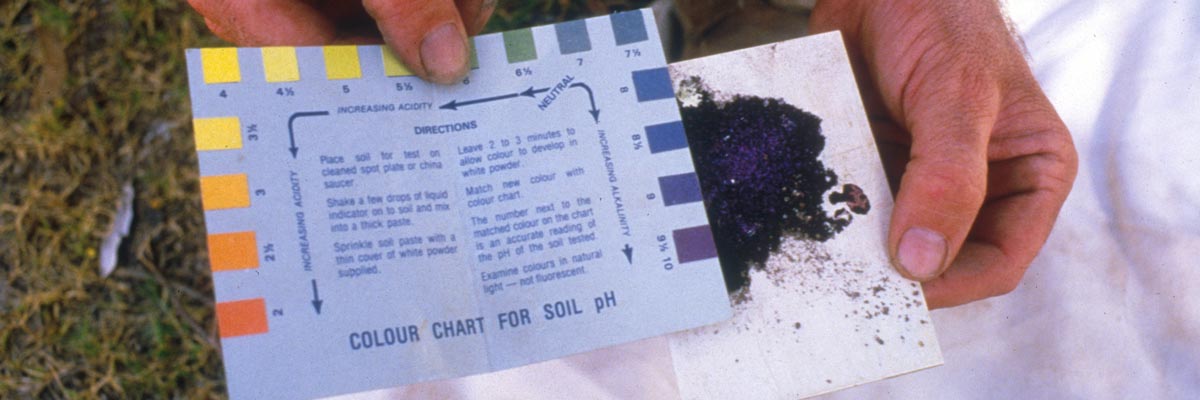
A pH test will measure your lawn’s pH on a scale of acidic to alkaline. A healthy range for your lawn will be between 6 and 7.5, in the neutral area. In order to correct the pH levels, you will need to add lime or dolomite if the soil is too acidic or sulphate if it’s too alkaline.
Depending on your soil type, you will need to add different amounts of lime or sulphate to raise it one unit (Eg. From 5.5 to 6.5). For lime, a sandy soil will need 150g per square metre whereas heavy clay soils will need 250g. For sulphate, a sandy soil will need 25g, 50g for a heavier loam and 100g per square metre for heavy clays.
Test your soil again after a few weeks and repeat the process if you need to. Having good lawn pH will allow your lawn to absorb nutrients so it can continue to grow happily.
Recommended for you...
A Landscapers Guide to Installing Lawn in Autumn and Winter
A Landscapers Guide to Installing Lawn in Autumn and WinterWhen most people think about installing turf, they picture spring and summer builds, warm soil temperatures and fast establishment. However, for landscapers managing project schedules and client timelines,...

Which Zoysia Lawn is Right For Your Home?
Compare Zoysia Australis and Empire Zoysia to find the perfect turf for your lawn. Discover key differences and make an informed choice! Read more.
Sir Walter Buffalo vs TifTuf: Which One is Better
Compare Sir Walter Buffalo and TifTuf turf for Australian lawns. Discover key differences in shade tolerance, drought resistance, wear, maintenance & which is best for your yard.